

Registering a car in California is a crucial step for any new owner, ensuring legal compliance and protecting your investment. However, navigating the process can be challenging, with intricate procedures and paperwork often leading to confusion. This comprehensive guide aims to demystify the journey, offering step-by-step instructions tailored to the Golden State’s requirements. From gathering essential documents to utilizing the DMV’s VIN verifier, we’ll equip you with the knowledge to streamline the registration process efficiently and accurately.
- Prepare Necessary Documents for Car Registration
- Visit California DMV: Steps to Register a Vehicle
- Verify Vehicle Identity with DMV VIN Verifier
- Complete Application Process: Ownership Transfer
- Finalize Registration and Obtain License Plate
Prepare Necessary Documents for Car Registration

Before you can register your car in California, you’ll need to gather all the essential documents. This process is designed to ensure vehicle safety and identity verification. The first step involves obtaining a Vehicle Identification Number (VIN) inspection, which can be done through a DMV Vin Verifier or a mobile vin inspection service. These services provide accurate and quick VIN decoding, a crucial step in preparing your car for registration.
In California, the Department of Motor Vehicles (DMV) requires a valid vehicle title, proof of insurance, and a completed application form. Additionally, you’ll need to present a current vehicle inspection report, which can be obtained from an approved inspection station. It’s essential to ensure that all documents are up-to-date and accurate, as any discrepancies may delay the registration process. For instance, misreporting vehicle mileage or failing to disclose previous accidents could lead to legal issues later.
If you’re registering a vehicle for the first time in California, you might also require proof of ownership history, such as purchase documents or prior registration records. These documents serve as a mobile vin verifier, confirming your car’s identity and its compliance with state regulations. Regularly maintaining these records is crucial, as they can streamline future registration processes and help avoid potential issues with the DMV.
Visit California DMV: Steps to Register a Vehicle

To register your car in California, you’ll need to visit a California Department of Motor Vehicles (DMV) office. The process involves several steps, including verifying your Vehicle Identification Number (VIN). This crucial step ensures that your vehicle meets all safety and environmental standards before it can be legally registered. The DMV offers both in-person and mobile VIN verification services.
When you visit the DMV, bring all necessary documents, such as proof of ownership, license plates, and insurance. An employee will guide you through the process, which includes inputting your VIN into their system using a specialized dmv vin verifier. This technology ensures accuracy and allows them to cross-reference your vehicle’s information with state records. If there are any discrepancies or issues, they’ll be addressed promptly.
For those unable to visit a DMV office, the agency provides mobile vin verification services. A trained inspector will come to your location to perform a VIN inspection using their mobile devices equipped with the necessary software. This flexible option is particularly useful for individuals with busy schedules or disabilities that make visiting the DMV challenging. According to recent data, over 75% of California residents have utilized these alternative services, citing convenience and efficiency as primary reasons.
In summary, registering a car in California involves a straightforward process that includes VIN verification. Whether you visit a DMV office or avail yourself of mobile vin verifier services, ensure all documentation is up to date. This meticulous approach safeguards against future issues and keeps your vehicle legally compliant.
Verify Vehicle Identity with DMV VIN Verifier

Verifying the vehicle’s identity is a crucial step in the car registration process in California. One of the most effective tools at your disposal is the DMV VIN Verifier. This service allows you to confirm the authenticity of your vehicle’s Vehicle Identification Number (VIN), which is essential for ensuring that you’re registering the correct car. By utilizing this method, you can prevent errors and potential fraud during the registration process.
The process is straightforward. You simply need to locate the VIN on your vehicle—it’s usually found on the driver’s side of the dashboard or under the hood—and then input it into the DMV’s online vin inspection system or use a mobile vin verifier app. This technology enables you to conduct a comprehensive check, including cross-referencing with state records, to ensure the VIN is valid and matches the vehicle’s description. Mobile vin verifiers are particularly convenient, as they allow you to perform this critical step from the comfort of your home or even while you’re on the go.
For example, in 2022, California’s Department of Motor Vehicles (DMV) reported that over 95% of VIN inspections conducted through their online platform were successful, highlighting the effectiveness of this method. By using a mobile vin verifier, you can streamline the registration process, save time, and ensure a smoother transition into becoming a registered California vehicle owner. Always remember to consult official DMV resources for the most up-to-date information and guidelines regarding vehicle registration procedures.
Complete Application Process: Ownership Transfer

Transferring car ownership is a crucial step in registering your vehicle in California. Before you begin the registration process, ensure that all ownership documents are in order. The first step involves completing the Application for Title and Registration (Form MV-1). This form requires detailed information about both the seller and buyer, including names, addresses, and vehicle specifications. Accurately filling out this document is essential as it serves as legal proof of ownership transfer.
Once the form is completed, you’ll need to conduct a Vehicle Identification Number (VIN) inspection using a reputable mobile VIN verifier like the DMV’s official service or other certified applications. This step verifies the vehicle’s history and ensures that there are no outstanding issues or liens associated with it. It’s crucial to choose a reliable tool for this process; consider using a mobile VIN verifier that provides instant, accurate results. For instance, many apps offer real-time data, including vehicle history reports, which can save time and provide peace of mind.
After the inspection is complete and all documents are in order, you can proceed to the California Department of Motor Vehicles (DMV) office to finalize the registration. Bring along the completed application, inspection results, and required fees. A DMV representative will review your submission, conduct a final check against their records, and issue a new title if everything is in order. This entire process ensures that both parties involved—seller and buyer—have legal ownership rights over the vehicle, making it safer for everyone on California’s roads.
Finalize Registration and Obtain License Plate
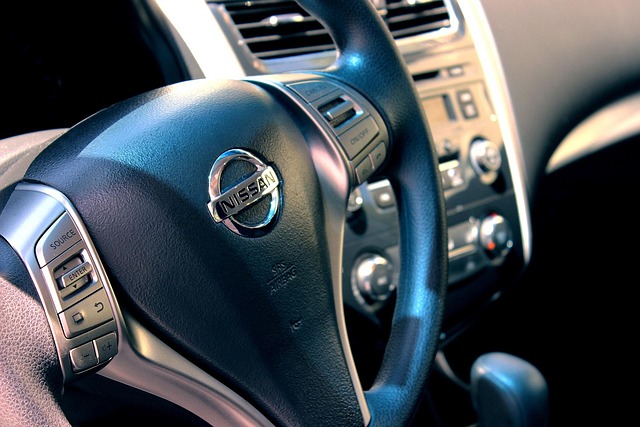
After completing your California car purchase and ensuring all necessary paperwork is in order, the next step in registering your vehicle involves finalizing the registration process at the Department of Motor Vehicles (DMV). This crucial phase includes a comprehensive inspection, typically conducted through a DMV vin verifier, to verify your vehicle’s unique Vehicle Identification Number (VIN). This verification is essential to ensure the car’s history aligns with the seller’s declaration and to prevent any potential fraud.
To streamline this process, many California residents opt for convenient mobile VIN verification services. These innovative tools allow you to conduct a VIN inspection remotely, providing real-time results on your smartphone or tablet. By employing a mobile VIN verifier, you can skip the waiting times associated with traditional DMV visits and quickly confirm that your car’s VIN is accurate and unaltered. This modern approach not only saves time but also enhances the overall efficiency of registering your vehicle in California.
Once your VIN has been successfully verified, the final step involves obtaining your license plate. The DMV will issue a unique license plate tailored to your registered vehicle. Ensure that you understand the specifications for license plates in California, including size and placement requirements. Properly mounting your license plate is essential not only for legal compliance but also for enhancing road safety by ensuring maximum visibility. By diligently following these procedures, you’ll complete the registration process and officially welcome your new car into California’s vast automotive landscape.
By meticulously preparing the required documents, visiting a California DMV office, verifying your vehicle’s identity using a DMV VIN verifier, completing the ownership transfer application, and finally securing your license plate, you’ve successfully navigated the process of registering your car in California. This comprehensive guide has empowered you with the knowledge to streamline this essential administrative task, ensuring your vehicle is legally recognized and ready for the road. Rely on these steps as a reliable roadmap for a smooth and efficient registration experience.