

Registering a car in California is a crucial step for any new owner, ensuring legal compliance and securing your investment. However, navigating the process can be challenging, often leaving owners unsure where to begin or what steps are essential. This comprehensive guide aims to demystify the registration procedure, offering expert insights tailored specifically to California’s requirements. We’ll walk you through each step, emphasizing the critical role of DMV VIN verification in ensuring a smooth and stress-free experience.
- Prepare Necessary Documents for Car Registration
- Visit Your Local California DMV Office or Website
- Complete Application: Provide Vehicle Details and Information
- Submit Proof of Insurance and Pay Registration Fees
- Perform DMV VIN Verification for Accurate Record Keeping
Prepare Necessary Documents for Car Registration

Before you can register your car in California, you’ll need to gather essential documents for a smooth process. The California Department of Motor Vehicles (DMV) requires specific paperwork to ensure accurate record-keeping and vehicle ownership verification. One critical step is to obtain a valid Vehicle Identification Number (VIN) verification, which can be done through several methods.
One convenient approach is utilizing a mobile VIN verifier or performing a mobile VIN inspection. These services allow you to verify the VIN accuracy from the comfort of your location. By providing your car’s unique 17-character VIN number, these tools cross-reference it with national databases, ensuring its authenticity and history. For instance, a quick online search reveals numerous reputable mobile VIN verification apps, many of which offer instant results and detailed vehicle reports.
Additionally, traditional methods include obtaining documents like the title, registration certificate, proof of insurance, and a valid driver’s license. Ensure these documents are up to date and accurately reflect your information. It’s worth noting that if you’re importing a car or purchasing it from out of state, additional paperwork might be required, such as a Bill of Sale or a Vehicle History Report. In light of these requirements, preparing all necessary documents in advance can significantly expedite the registration process at your local DMV office.
Visit Your Local California DMV Office or Website

To register your car in California, the first step involves visiting your local DMV office or accessing their official website. This process is a crucial part of vehicle ownership, ensuring that you comply with state regulations and maintain a valid registration. The California Department of Motor Vehicles (DMV) provides several options for convenient and efficient registration, including in-person visits and online services.
When heading to the DMV, whether in person or virtually, one critical aspect is proper VIN verification. This involves checking the vehicle identification number (VIN) against the DMV’s records to ensure the car’s history aligns with its claimed ownership and specifications. In California, you can conduct this VIN inspection at your local DMV branch or utilize a mobile vin verifier for added convenience. Many people opt for online registration, which streamlines the process by allowing them to start the application and even perform initial checks through the DMV website.
For those choosing the traditional in-person approach, visiting the local DMV office is straightforward. Bring all necessary documents, including proof of ownership and identification, as well as any fees required for registration renewal or new registration. A mobile vin verifier app can be particularly useful here, ensuring that your vehicle passes inspection before you arrive, saving time and effort during your visit. Alternatively, if you’re applying for a new title or resolving issues with an existing one, the DMV’s online platform offers a secure way to submit applications and track their status, enhancing accessibility and efficiency.
Complete Application: Provide Vehicle Details and Information

Completing your vehicle’s registration with accurate details is a crucial step. To ensure everything is in order, you’ll need to fill out a comprehensive application that includes all necessary information. This process involves providing detailed specifications about your car or truck, which serves as a critical component during the DMV VIN verification. The Vehicle Identification Number (VIN) acts as a unique fingerprint for your vehicle, making it essential to input this code accurately.
When detailing your vehicle, start with the basic facts: make, model, year, and body type. For instance, if you’re registering a 2022 Honda Civic Sedan, note these specifics precisely. Beyond that, you’ll be asked for more intricate details such as engine size, color, and any modifications made to enhance performance or aesthetics. A mobile VIN verifier can be a handy tool in this stage, allowing you to quickly and accurately capture and input your vehicle’s VIN during the application process. This ensures a seamless transition from your car’s physical inspection to the digital registration.
Data accuracy is paramount; even minor errors could delay your registration. To streamline the process, double-check every figure and description before submitting. It’s also beneficial to keep records of any previous inspections or maintenance work, as these might be requested by the DMV during VIN verification. For instance, if you’ve recently replaced a part, having documentation ready can expedite the verification stage. By being thorough and prepared, you ensure that your car’s registration is approved without unnecessary delays.
Submit Proof of Insurance and Pay Registration Fees
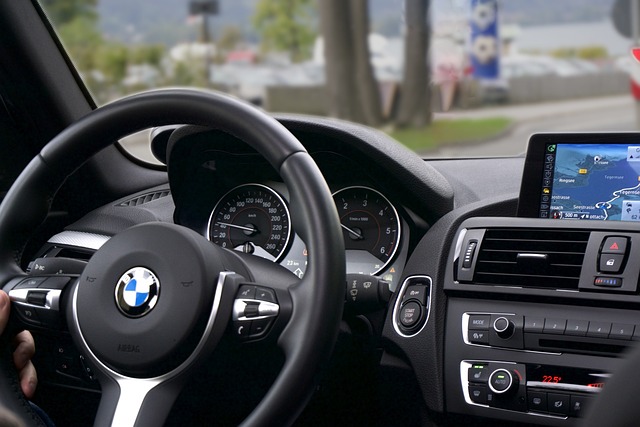
After completing the necessary forms and gathering essential documents, the next crucial step in registering your car in California involves submitting proof of insurance and paying the registration fees. This process ensures that your vehicle meets the state’s legal requirements and provides you with the necessary coverage during operation.
Proof of insurance is a critical component of car registration. In California, you must present a valid insurance card or a certificate of insurance from your insurance company. This documentation verifies that your vehicle is covered under a policy that meets the state’s minimum liability requirements. It’s essential to ensure that your insurance policy number, policyholder name, and policy limits are clearly visible on the document. If you’ve recently acquired insurance, you may need to provide a temporary proof of insurance until your official card arrives. For instance, a mobile vin verification app can assist in this process by allowing you to quickly access and share digital proof of your policy.
Registration fees vary based on several factors, including your vehicle’s age, type, and weight. The California Department of Motor Vehicles (DMV) offers various payment options, including online, by mail, or in-person at a DMV field office. When paying online or by mail, you’ll typically need to include a DMV form with your application. Some counties in California also allow for mobile vin inspection, where a DMV inspector can verify your vehicle’s identity and requirements at your location, streamlining the registration process further. Always double-check the accuracy of your forms and calculations to avoid delays or additional fees.
Perform DMV VIN Verification for Accurate Record Keeping

Performing a DMV VIN verification is a critical step in ensuring accurate record keeping when registering your car in California. The unique Vehicle Identification Number (VIN) serves as a fingerprint for each vehicle, providing essential information about its make, model, year, and manufacturing details. In California, the Department of Motor Vehicles (DMV) requires this verification process to maintain the integrity of their records and ensure consumer protection.
A mobile VIN inspection or verification, conducted by authorized personnel, offers a convenient and efficient solution. This service enables you to have the VIN decoded and verified in real-time, ensuring its accuracy before submitting your registration documents. For example, a recent study found that up to 4% of vehicles may have altered or incorrect VINS, highlighting the importance of this verification step. By utilizing mobile vin inspection services, you can proactively mitigate potential issues and streamline the registration process.
During the DMV VIN verification, several key aspects are examined. This includes checking the vehicle’s historical data, identifying any previous accidents or damage, and verifying that the VIN matches the physical attributes of the car. It’s advisable to request a detailed report after the inspection, which will outline these findings. In some cases, if discrepancies are discovered, further investigation or documentation may be required before the registration can be finalized.
To ensure a smooth process, consider scheduling a mobile vin verification service prior to visiting the DMV. This proactive approach allows for any potential issues to be addressed early on, saving you time and effort. Remember, maintaining accurate vehicle records is not just a regulatory requirement but also ensures that you and other road users are protected against fraudulent activities associated with altered or misused VINS.
Registering a car in California involves several key steps, from gathering necessary documents to completing applications and providing proof of insurance. By following these processes diligently, individuals ensure their vehicles are legally registered and insured. Among these, DMV VIN verification stands out as a crucial step for accurate record-keeping, ensuring the integrity of vehicle information. This article has provided a comprehensive guide, empowering readers with the knowledge to navigate the registration process smoothly. Now equipped with essential insights, individuals can confidently take the next steps to keep their vehicles registered and on the road legally.