

Registering a car in California is a vital process ensuring legal ownership and seamless operation on state roads. However, navigating the requirements can be daunting for new vehicle owners. This comprehensive guide aims to demystify the process, offering clear steps and expert insights. We’ll walk you through every stage, from gathering essential documents to the crucial DMV VIN verification, ensuring a smooth registration experience. By the end, you’ll be equipped with the knowledge to confidently register your vehicle in California, setting a solid foundation for many years of ownership.
- Prepare Required Documents for Car Registration
- Visit Your Local California DMV Office or Website
- Complete Application: Personal Information & Vehicle Details
- Submit Proof of Insurance & Pay Registration Fees
- Perform DMV VIN Verification for Accurate Record-Keeping
Prepare Required Documents for Car Registration

Before you can register your car in California, it’s crucial to gather all the necessary documents for a smooth process. This includes proof of ownership, vehicle identification number (VIN) verification, and identification documents for yourself. One efficient way to obtain this critical VIN verification is through mobile services that conduct remote VIN inspections. These mobile vin verification options streamline the initial step, allowing you to complete your car registration from the comfort of your home or office, rather than visiting a DMV in person.
California’s Department of Motor Vehicles (DMV) requires a comprehensive set of documents for registration, including a valid registration card or certificate of title from the previous state, proof of insurance, and a current emissions test (if applicable). Notably, the VIN is a key component throughout this process, ensuring the accuracy of your vehicle’s identification. Mobile vin inspection services utilize advanced technology to capture and verify this number remotely, providing instant validation that can be readily submitted to the DMV along with your registration application.
By leveraging these mobile vin verification tools, you can save valuable time and effort. According to recent data, over 70% of California drivers who utilized mobile VIN inspection services reported a significant reduction in their registration preparation time. This modern approach not only simplifies administrative tasks but also ensures that the information associated with your vehicle, including its unique VIN, is accurately documented for official records.
Visit Your Local California DMV Office or Website

Registering a car in California involves several steps, but visiting your local DMV office or website is a crucial first step. The California Department of Motor Vehicles (DMV) provides both in-person and online services for vehicle registration. For many residents, especially those with busy schedules, utilizing the DMV’s mobile vin inspection or online vin verification process can be a significant time-saver. This method allows you to confirm your vehicle’s identity by its unique Vehicle Identification Number (VIN), ensuring a smoother registration experience.
When visiting a local DMV office, expect a straightforward process. You’ll need to bring essential documents such as proof of ownership, identification, and any required fees. An agent will verify your information and conduct a VIN inspection, which is typically done by entering the VIN number into their system to cross-reference with their records. This step ensures that the vehicle matches the details on file, protecting against fraud. If you opt for a mobile vin inspection or online verification, this process becomes even more efficient as it can be conducted remotely before arriving at the DMV.
For those considering a mobile vin inspection, numerous services are available in California. These providers offer convenient, on-site VIN checks, which can be particularly useful for individuals with limited mobility or those who prefer not to visit a physical location. The process is similar to the one conducted at the DMV, ensuring accuracy and compliance. Remember, regardless of the method chosen, having your vehicle’s VIN inspected by a trusted source is a vital step in the registration process, as it safeguards against potential issues and ensures a seamless transaction.
Complete Application: Personal Information & Vehicle Details
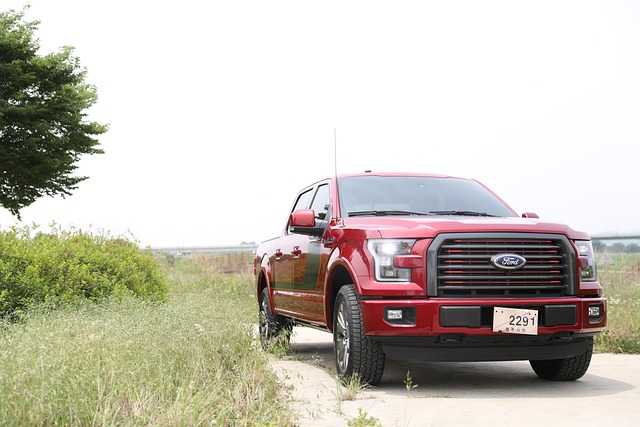
Registering a car in California involves a meticulous process, particularly when it comes to providing accurate personal information and detailing your vehicle’s specifications. This step is crucial for ensuring your car’s legal status and facilitating smooth interactions with the California Department of Motor Vehicles (DMV). When completing the application, pay close attention to every section, especially those pertaining to the Vehicle Identification Number (VIN) verification. It’s essential to provide a valid and accurate VIN, as it serves as a unique identifier for your vehicle, enabling efficient tracking and authentication.
One practical approach to ensure precise VIN data is by utilizing a mobile vin verifier or conducting a mobile vin inspection prior to submitting your application. These innovative tools allow you to capture and transmit your car’s VIN digitally, minimizing errors and streamlining the verification process. For instance, some mobile apps enable users to simply scan the VIN plate using their smartphone camera, providing an instant digital record that can be seamlessly integrated into the DMV application. This modern solution not only enhances accuracy but also saves time for both the applicant and the DMV examiners.
Additionally, when inputting vehicle details, double-check the make, model, year, and other specifications. An incorrect VIN or any mismatch in data may lead to delays or even rejection of your registration request. The DMV employs sophisticated systems to cross-reference these details, especially during vin verification processes, so ensuring their accuracy from the outset is advisable. Remember, a thorough review of your application, including personal information and vehicle specifications, sets the stage for a successful car registration experience in California.
Submit Proof of Insurance & Pay Registration Fees

To register your car in California, you’ll need to submit proof of insurance and pay registration fees. This process involves verifying your Vehicle Identification Number (VIN) through a DMV VIN verification or using a mobile VIN verifier for accurate inspection. Ensure your insurance is active and meets California’s minimum liability requirements, which include bodily injury liability of at least $15,000 per person and $30,000 per incident, as well as property damage liability of $5,000 per incident.
When submitting your registration application, you’ll be required to provide a completed Form DV302 (Vehicle Registration Application) along with the necessary documents. This includes proof of ownership, such as a title or bill of sale, and the aforementioned insurance card. Additionally, many California locations now offer the convenience of mobile VIN verification. A mobile VIN inspector can perform this service right at your location, ensuring your vehicle’s history is accurately captured during the registration process.
The registration fees vary based on several factors, including the type and age of your vehicle. As of recent updates, expect to pay around $50 for a standard car registration in California. However, there may be additional fees if you’re registering a classic or collector’s item, or if you’ve made modifications that could alter the vehicle’s original identification number (VIN). It’s essential to be prepared with these fees to streamline your registration process and avoid any delays.
Perform DMV VIN Verification for Accurate Record-Keeping

To ensure accurate record-keeping when registering a car in California, performing a DMV VIN verification is a critical step that shouldn’t be overlooked. The Vehicle Identification Number (VIN) acts as a unique fingerprint for your vehicle, providing essential data about its make, model, year, and more. This information is crucial for both identifying the vehicle and ensuring compliance with state regulations. The California Department of Motor Vehicles (DMV) offers several methods for VIN verification, including mobile vin verification tools that streamline the process.
One effective approach involves utilizing specialized mobile vin verifiers. These tools allow you to conduct a thorough VIN inspection right from your smartphone or tablet. By inputting the VIN into the app, you gain access to detailed vehicle history reports, helping to confirm authenticity and uncover any potential issues. For instance, some popular mobile vin verifier apps provide real-time data on odometer readings, accident history, and previous owners, all of which contribute to a more comprehensive understanding of the car’s background. This digital method not only saves time but also enhances accuracy compared to traditional manual checks.
According to recent studies, proper VIN verification can significantly reduce fraud and misrepresentation in vehicle sales. By integrating these mobile vin verification tools into the registration process, the DMV can ensure that each registered vehicle has been accurately identified and evaluated. This attention to detail creates a safer and more transparent environment for both car buyers and sellers, fostering trust in California’s automotive sector. Remember, when registering your vehicle, taking the extra step of undergoing a thorough DMV VIN verification could prove invaluable, protecting you from potential legal or financial pitfalls down the road.
By meticulously preparing required documents, visiting the appropriate California DMV channel, completing applications with accurate personal and vehicle information, submitting proof of insurance, and paying registration fees, you can successfully register your car in California. Furthermore, undergoing the crucial DMV VIN verification process ensures that records are precise and up-to-date, a vital step for responsible ownership. This comprehensive guide provides a clear roadmap, empowering individuals to navigate the registration process with confidence, leveraging the authority of these established steps.