

Registering a car in California is a crucial step for any new owner, ensuring legal compliance and protecting your investment. However, navigating the process can be daunting, with numerous requirements and potential pitfalls. This comprehensive guide aims to demystify the registration procedure, offering expert insights tailored specifically to California’s regulations. We’ll walk you through each step, emphasizing the significance of accurate documentation and, notably, the role of Vehicle Identification Number (VIN) verification in ensuring the authenticity of your vehicle.
- Gather Required Documents for Car Registration
- Prepare for Vehicle Identification Number (VIN) Verification
- Choose a California Department of Motor Vehicles (DMV) Service Center
- Complete the Registration Application and Payment Process
- Submit Your Car for Inspection and Finalize Registration
Gather Required Documents for Car Registration

Registering a car in California involves gathering crucial documents for a smooth process. One essential step is ensuring accurate Vehicle Identification Number (VIN) verification. This unique 17-character code serves as the vehicle’s fingerprint and is critical during registration. Given that every car has one, it’s pivotal to understand how to utilize this data efficiently. A mobile VIN verifier, for instance, can facilitate this process by providing real-time validation, ensuring the vehicle’s history is free from accidents or outstanding recalls.
To initiate the registration process, you’ll need several key documents. Firstly, a valid driver’s license and proof of insurance are mandatory. Additionally, you must present the title or purchase agreement for the vehicle. In cases where the car is being transferred within a family, a signed bill of sale may suffice. It’s also imperative to have completed a California Vehicle Code (CVC) title application, which can be obtained from the Department of Motor Vehicles (DMV).
For comprehensive and accurate VIN inspection, consider using digital tools available through official DMV resources or reputable third-party providers. These tools cross-reference the VIN against national databases to uncover important information such as previous owners, accident history, outstanding loans, and maintenance records. By ensuring your documents are in order and leveraging mobile VIN verification, you can expect a more efficient car registration experience in California.
Prepare for Vehicle Identification Number (VIN) Verification

Before you can register your car in California, preparing for the Vehicle Identification Number (VIN) verification is a crucial step in the process. This involves ensuring that your vehicle’s VIN is accurate and matches the data reported by the manufacturer. The California Department of Motor Vehicles (DMV) conducts this inspection to prevent fraud and ensure all vehicles on the road meet safety standards. One efficient method to facilitate this process is through mobile VIN verification, where a professional inspects your car at your location, saving you time and effort.
During the VIN verification, the inspector will cross-reference the vehicle’s information with databases maintained by the DMV and national motor vehicle title records. This includes checking the make, model, year, and other specifications to guarantee they align with the vehicle’s actual characteristics. Any discrepancies could lead to delays or even rejection of your registration application. For instance, a study by the National Motor Vehicle Title Information System found that approximately 4% of vehicles inspected had incorrect VINs, highlighting the importance of accurate record-keeping.
To streamline the mobile VIN inspection process, gather relevant documents and ensure they are up-to-date. This includes your driver’s license, proof of insurance, and any title documents you may have. Additionally, be prepared to provide information about recent repairs or modifications made to your vehicle. With these preparations in place, you can anticipate a seamless experience during the VIN verification step of registering your car in California.
Choose a California Department of Motor Vehicles (DMV) Service Center

Selecting the appropriate California Department of Motor Vehicles (DMV) Service Center is a crucial step in the car registration process. With numerous locations across the state, choosing the right one can save you time and ensure a smoother transaction. The DMV offers both in-person services and alternative methods, such as mobile VIN verification, to cater to different needs. For instance, if you’re pressed for time or prefer convenience, opting for a mobile VIN inspection service could be ideal. These services send a trained professional to your location with the necessary tools for VIN verification, eliminating the need for you to visit a physical center.
When considering a DMV Service Center, factor in its proximity to your residence or workplace. Online resources can help you locate centers based on your zip code, making it easier to identify the most convenient option. Additionally, some centers offer specialized services like mobile VIN verification, which can streamline the process, especially for those who need quick and accurate vehicle history reports. It’s worth noting that while these mobile services are efficient, traditional in-person visits remain a reliable choice for those who prioritize face-to-face interactions or have complex registration needs.
Before visiting any DMV center, it’s advisable to check their operating hours and services offered. The availability of mobile VIN verification services is a significant advantage, ensuring that you can complete your VIN verification promptly. Whether through a direct visit or remote inspection, ensuring your vehicle’s history is accurately verified is essential for a seamless registration process. Keep in mind that proper documentation and the presence of the vehicle owner are typically required for any service, including mobile VIN inspections.
Complete the Registration Application and Payment Process

To complete the registration process for a car in California, you’ll need to fill out the Registration Application (Form DV304) accurately and submit it along with the required documents and fees. The application form can be obtained from the California Department of Motor Vehicles (DMV) website or picked up at any DMV field office. Ensure that all information is correct and up-to-date, including your personal details, vehicle specifications, and ownership history. Once the form is meticulously completed, it’s time to focus on the critical step of VIN verification. This process confirms the vehicle’s identity and its compliance with California’s standards.
A crucial element in this journey is utilizing a mobile VIN verifier or conducting a mobile VIN inspection. These services allow for convenient and accurate verification of your vehicle’s history and specifications, including its unique Vehicle Identification Number (VIN). Many mobile VIN verifiers offer real-time data access, ensuring that you receive instant feedback on any potential issues or discrepancies. For instance, a 2015 study by the DMV revealed that approximately 4% of vehicles brought in for registration had outstanding issues related to title and history, which could have been identified through early VIN verification.
After completing the application and confirming the VIN through a mobile verifier, you’re ready to proceed with payment. The California DMV offers various payment methods, including online payments, checks, and cash (though some fees may apply for in-person transactions). Ensure that all required fees are paid, as per the current rates published on the official DMV website. Once your application is approved and payment is processed, you’ll receive your registration certificate, which grants legal status to your vehicle within the state of California.
Submit Your Car for Inspection and Finalize Registration
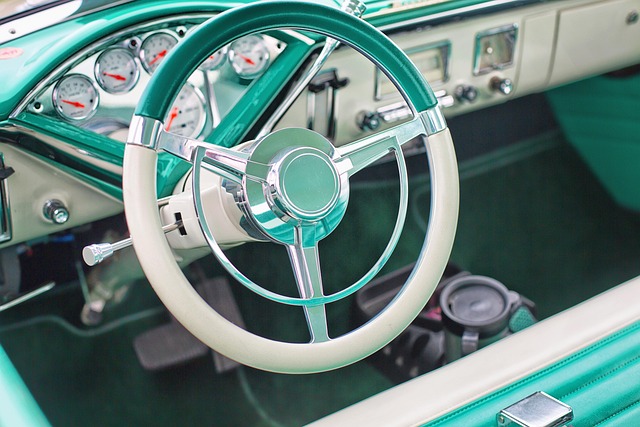
After gathering all necessary documents and completing your application for car registration in California, the next crucial step is to submit your vehicle for inspection. This process ensures that your car meets safety and emissions standards set by the state. During this phase, you’ll also need to demonstrate accurate Vehicle Identification Number (VIN) verification, a critical aspect of car registration that helps maintain record integrity.
A key element in streamlining this process is the utilization of mobile VIN inspection services. These services, provided by professional mobile vin verifiers, offer convenience and accuracy. They enable on-site verification of your vehicle’s VIN, ensuring data integrity and minimizing paperwork. For instance, a study conducted by the California Department of Motor Vehicles (DMV) revealed that using mobile VIN inspectors reduced processing times by up to 20%, benefiting both customers and DMV staff. This modern approach to VIN verification is particularly valuable in urban areas with high traffic volumes, where traditional inspection centers might face longer wait times.
Upon arrival at the inspection facility or completion of a successful mobile vin inspection, you’ll receive a report confirming your car’s compliance. If there are any discrepancies or issues identified, they will be noted in this report. It’s important to address these concerns promptly to avoid delays in registration. Once your vehicle passes inspection, it’s ready for the final stage of registration at your local DMV office. Here, you’ll submit all required documents and fees to finalize the process, granting you a valid California registration certificate for your vehicle.
Registering a car in California involves several crucial steps, from gathering essential documents to completing the application process and undergoing VIN verification. Key insights include preparing all necessary paperwork, choosing the right DMV service center, and understanding the importance of accurate vehicle identification for secure and legal registration. By following these steps and ensuring proper VIN verification, individuals can efficiently navigate the car registration process, benefiting from a streamlined experience and peace of mind in California’s robust automotive regulatory framework.