

Registering a car in California is a critical step for any vehicle owner, ensuring legal compliance and protecting your investment. However, navigating the process can be cumbersome, with its many requirements and potential pitfalls. This comprehensive guide aims to demystify the registration procedure, offering expert insights on every step, from gathering essential documents to the crucial role of VIN verification in confirming vehicle authenticity. By following these detailed instructions, you’ll streamline the process, ensuring a smooth and stress-free car registration experience.
- Prepare Required Documents for Car Registration in California
- Visit Your Local California Department of Motor Vehicles (DMV) Office
- Submit Vehicle Information and Proof of Insurance
- Perform VIN Verification: Ensuring Vehicle Authenticity and History
- Complete Payment and Receive Your Registered Vehicle Title
Prepare Required Documents for Car Registration in California

Registering a car in California involves several steps, with proper documentation being key to a smooth process. Before you begin, ensure you have all required documents ready, as this streamlines the registration procedure significantly. Among these, the Vehicle Identification Number (VIN) verification stands out as an essential component, providing unique and irrefutable identification for your vehicle. It’s recommended to conduct a VIN inspection early in the process, ideally using a mobile vin verifier for convenience and accuracy.
California requires thorough documentation to prevent fraud and ensure vehicle authenticity. This includes proof of ownership, typically a title document, as well as valid registration from the previous state (if applying for transfer). For out-of-state registrations, you might need additional forms like a Bill of Sale or an Import/Export Document. It’s also crucial to have your vehicle’s VIN verified by a trusted mobile vin verifier at this stage. This step not only ensures the vehicle’s history is clean but also aids in matching the details with California’s database.
Practical insights suggest that having all your documents in order, including a properly executed VIN verification through a mobile vin inspection app, can expedite the registration process substantially. Many prospective car owners underestimate the importance of this step, often leading to delays or even rejections. To avoid such pitfalls, consider utilizing digital tools for VIN verification 1-2 times during preparation—this could be as simple as scanning your vehicle’s VIN and storing the digital record alongside your physical documents. By being proactive with these checks, you can ensure a hassle-free registration experience in California.
Visit Your Local California Department of Motor Vehicles (DMV) Office
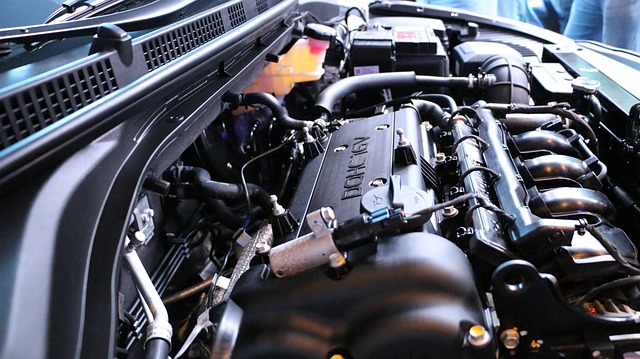
To begin the car registration process in California, the first step is to visit your local California Department of Motor Vehicles (DMV) office. This physical interaction is a crucial part of ensuring a smooth and accurate registration, as it allows for direct verification of your vehicle’s information. When you arrive at the DMV, one of the key tasks you’ll undertake is a comprehensive VIN (Vehicle Identification Number) verification. This process ensures that all details about your car—from its make and model to its year and previous ownership history—are accurate and match the data in the DMV’s system.
At the DMV, you’ll typically interact with a trained professional who will guide you through the registration procedure. They may request that you bring along several documents, including proof of insurance, a valid driver’s license, and possibly other identification materials. A mobile VIN verifier or inspector can also be used during this stage to confirm your vehicle’s identity quickly and efficiently. This technology allows for real-time data checking against national databases, ensuring the integrity of the information exchanged. For instance, some mobile apps and devices can scan a car’s VIN in seconds, providing instant access to its history, which is invaluable when updating official records.
By taking this step, you’re not only satisfying a legal requirement but also setting a solid foundation for your vehicle’s ongoing registration and maintenance. The DMV’s official record of your car’s details, including the successful VIN verification, serves as a critical component in future interactions with California’s regulatory bodies. It’s during these initial checks that any discrepancies or errors can be identified and rectified, ensuring that when your car is on the road, it complies fully with state regulations.
Submit Vehicle Information and Proof of Insurance

Registering a car in California involves a meticulous process to ensure vehicle safety and compliance with state regulations. One critical step is submitting accurate vehicle information and proof of insurance. This phase demands meticulous attention to detail, especially when it comes to verifying the Vehicle Identification Number (VIN). A common challenge for many is navigating the VIN verification process; however, utilizing mobile VIN verifiers can significantly streamline this task.
When providing vehicle information, owners must include the complete 17-character VIN, which serves as a unique identifier for each car. This number is essential during the registration and title transfer process, ensuring that the vehicle’s history is accurately represented. In California, it is crucial to obtain proof of insurance before finalizing the registration. This documentation should include details such as the policy number, insurer, and coverage limits, demonstrating financial responsibility.
For added convenience and accuracy, many mobile VIN verifiers are now available. These tools allow drivers to quickly and easily inspect their vehicle’s VIN through a smartphone app or online platform. By integrating these modern solutions into the registration process, California’s Department of Motor Vehicles (DMV) aims to enhance efficiency while maintaining rigorous safety standards. For instance, data from the DMV reveals that timely VIN verification can help prevent fraudulent activities, ensuring that only legitimate vehicles are registered within the state.
Perform VIN Verification: Ensuring Vehicle Authenticity and History

Before registering your car in California, performing a Vehicle Identification Number (VIN) verification is a crucial step to ensure both vehicle authenticity and access to accurate historical data. This process involves cross-referencing the unique VIN with reputable databases to uncover any discrepancies or hidden issues that might affect the vehicle’s safety and legal status. A mobile VIN verifier or inspection service plays a vital role in streamlining this process, especially for individuals who prefer convenience and time savings.
Many California residents opt for mobile VIN verification services, which bring the inspection directly to their location. These services utilize advanced technology to check against numerous databases, including those maintained by the National Motor Vehicle Title Information System (NMVTIS) and state-level agencies. By comparing the VIN with historical records, a mobile VIN verifier can quickly identify any previous accidents, outstanding loans, or potential fraud, ensuring that you’re not left with a hidden liability.
For instance, data from NHTSA reveals that nearly 20% of vehicles in the US have some form of odometer manipulation. A thorough VIN verification using a reputable mobile service can help catch such discrepancies early on, safeguarding both buyers and sellers. Moreover, these services often provide instant digital reports detailing the vehicle’s history, making it easier for California DMV staff to process registration without delays. When done correctly, this step not only protects consumers but also strengthens the overall integrity of the state’s vehicle registration system.
Complete Payment and Receive Your Registered Vehicle Title

Completing the payment process is a crucial step in registering your vehicle in California. Once you’ve successfully navigated the initial application and inspection phases, including a thorough VIN verification, it’s time to finalize the transaction. The California Department of Motor Vehicles (DMV) will process your registration, generating a new vehicle title that reflects the most current ownership information. This title is a legal document that establishes your ownership rights and is essential for future transactions or updates.
To receive your registered vehicle title, you’ll need to ensure all payments are in order. This typically involves clearing any outstanding fees, including sales tax, registration charges, and potentially additional costs associated with the VIN inspection or mobile VIN verification—a service that allows for remote checking of a vehicle’s unique identification number. For instance, some counties in California offer mobile VIN inspections, streamlining the process by enabling inspectors to verify the VIN digitally, eliminating the need for physical inspections at a DMV office. This convenience can save time and may be particularly useful for those with busy schedules or accessibility challenges.
Once confirmed, the DMV will mail your registered vehicle title to you. It’s vital to keep this document secure, as it’s proof of ownership and necessary for various administrative tasks related to your vehicle. Regularly updating your registration and title information is essential, especially when selling or transferring ownership, to maintain compliance with California’s strict vehicle regulations. Proper documentation ensures a seamless process for both owners and DMV staff, ensuring the efficient management of vehicle records.
Registering a car in California involves a systematic process that requires preparation and attention to detail. Key takeaways include gathering essential documents, visiting the local DMV, providing vehicle and insurance information, and undergoing critical VIN verification to confirm authenticity and history. Completing these steps ensures a smooth registration process and grants you a registered vehicle title. Always prioritize thoroughness and accuracy to maintain a valid and secure registration, a critical aspect of California car ownership.