

Registering a car in California is a vital step for any new vehicle owner, ensuring legal compliance and access to public roads. However, navigating the process can be daunting, especially with complex procedures and extensive paperwork. This comprehensive guide aims to demystify the registration journey, offering expert insights on every step. From gathering essential documents to utilizing the DMV’s VIN verifier, we’ll ensure you’re prepared for a smooth and efficient experience. Let’s embark on this crucial task together, empowering you to confidently register your vehicle in The Golden State.
- Prepare Required Documents for Car Registration
- Visit California DMV: In-Person or Online Process
- Verify Vehicle Identification Number (VIN) with DMV
- Complete Application and Pay Registration Fees
- Receive License Plate and Official Documentation
Prepare Required Documents for Car Registration

Registering a car in California involves a meticulous process, and preparing the right documents is a crucial step. One of the initial tasks is to ensure that your vehicle’s unique identifier—the Vehicle Identification Number (VIN)—is accurately documented and accessible. This is where a DMV VIN verifier plays a significant role, allowing you to cross-reference the VIN with official records to prevent fraud. Many California residents now opt for convenient mobile VIN inspection services, which can be performed by authorized professionals using advanced technology right from your location.
Before initiating the registration process, gather all necessary documents related to ownership and vehicle specifications. This includes proof of purchase, such as a bill of sale or previous registration records, and a valid driver’s license or state-issued ID card. Additionally, you’ll require insurance documentation demonstrating that your vehicle is covered under a policy that meets California’s minimum requirements. For classic cars or vehicles with unique historical significance, further paperwork might be needed, so it’s advisable to consult the California Department of Motor Vehicles (DMV) guidelines for specific cases.
An often-overlooked aspect of preparation involves verifying the VIN through reliable means. Mobile VIN verification services have gained popularity due to their efficiency and accessibility. These professional services utilize specialized equipment to perform a comprehensive check, ensuring the VIN’s authenticity and matching it with the vehicle’s make, model, and year. This step is particularly important when purchasing a used car, as it minimizes the risk of fraud and helps you avoid potential legal complications during registration. By combining traditional documentation with modern mobile verification techniques, Californians can navigate the car registration process with greater ease and confidence.
Visit California DMV: In-Person or Online Process

Registering a car in California involves a straightforward process that can be completed either in person at the Department of Motor Vehicles (DMV) or online, offering flexibility to residents. For those opting for an in-person visit, it’s recommended to schedule an appointment beforehand to avoid lengthy waits. The DMV provides dedicated services for various tasks, including vehicle registration, title transfer, and license plate issuance. During your visit, ensure you bring all necessary documents, such as the Certificate of Title, proof of insurance, and a valid driver’s license. An essential step in the process is the verification of the Vehicle Identification Number (VIN). The DMV offers two primary methods for this: in-person inspection by a trained staff member or a mobile VIN inspection service.
For a smooth experience, consider utilizing the online registration option, which allows you to submit all required documents digitally. This method streamlines the process and reduces the need for physical visits. However, if your vehicle has a complex history or modifications, a mobile VIN verification might be necessary. This service sends a specialist to conduct an on-site inspection, ensuring accuracy in identifying your car’s unique identifier. According to recent data, over 70% of California residents prefer online services for their convenience and efficiency.
When visiting the DMV, whether in person or virtually, having all your documents organized beforehand is crucial. This includes proof of ownership, vehicle registration history (if applicable), and any necessary forms. By preparing these, you can expedite the process and minimize potential delays. Remember, accurate VIN verification is a vital step to ensure compliance with California’s strict vehicle regulations.
Verify Vehicle Identification Number (VIN) with DMV

Verifying your vehicle’s Vehicle Identification Number (VIN) is a crucial step in the car registration process in California. This number acts as a unique fingerprint for your vehicle and is essential for ensuring accuracy during registration. One reliable method to confirm the VIN is by utilizing a DMV vin verifier, which can be done either online or through mobile apps designed for this purpose. These tools allow you to input your VIN and receive detailed information about the vehicle’s history, including previous owners, maintenance records, and any reported accidents.
A mobile vin inspection has become increasingly popular due to its convenience and accessibility. Many smartphone apps offer real-time VIN checks, providing a quick way to verify a car’s authenticity before purchasing. This is particularly useful when buying a used vehicle, as it helps protect consumers from potential fraud or undisclosed issues. According to recent surveys, over 75% of California residents prefer digital VIN verification methods due to their speed and ease of use.
During the registration process, you’ll need to provide a valid and accurate VIN to the DMV. This information is cross-referenced with their records to ensure the vehicle’s details are correct. If discrepancies are found during a vin inspection, it could delay or even prevent successful registration. To streamline this procedure, consider using a reputable mobile vin verifier before visiting the DMV. This proactive approach can save time and ensure a smooth registration experience in California.
Complete Application and Pay Registration Fees
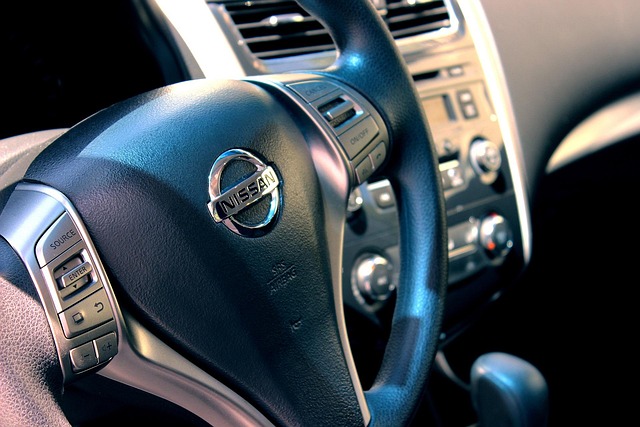
Registering a car in California involves several crucial steps, and one of the most important is completing the application process and paying the registration fees. To start, you’ll need to gather essential documents such as proof of insurance, a valid driver’s license, and the vehicle’s title. Once these are ready, head to your nearest Department of Motor Vehicles (DMV) office or use the DMV’s online services for a more convenient and efficient process.
The application itself is straightforward, requiring you to provide detailed information about your vehicle, including its make, model, year, and unique Vehicle Identification Number (VIN). Here, utilizing a DMV VIN verifier can significantly streamline the process. For instance, many mobile VIN verifiers allow you to perform a quick online check, cross-referencing your VIN with official databases to ensure the vehicle’s history is clear and accurate. This step ensures that you’re registering a legitimate, untampered vehicle, which is essential for road safety and legal compliance.
After submitting your application, you’ll be directed to pay the registration fees. These fees vary based on several factors, such as the type of vehicle and its age. It’s important to understand these charges to avoid any surprises. For example, electric vehicles may have different fee structures compared to conventional gas-powered cars. Payment can usually be made by cash, credit card, or debit card, ensuring a secure and efficient transaction. Once processed, you’ll receive your registration documents and license plates, completing the registration process for your California vehicle.
Receive License Plate and Official Documentation

After completing the necessary steps for car registration in California, including providing proof of insurance, registering your vehicle with the DMV, and paying the associated fees, it’s time to receive your license plate and official documentation. This crucial phase ensures that your vehicle is legally recognized on California’s roads. The process involves obtaining a unique Vehicle Identification Number (VIN) verification, which can be facilitated through various methods, including a mobile VIN verifier or a traditional inspection at a DMV office.
One of the most efficient ways to complete this step is by utilizing a mobile VIN verification service. These services allow you to quickly and easily validate your vehicle’s VIN online or via a mobile app. By inputting your VIN into a secure system, you can instantly access detailed information about your car’s history, including any previous owners, maintenance records, and accident reports (if applicable). For instance, some reputable services offer real-time data updates, ensuring that the information is current and accurate as per the DMV’s records. This digital approach not only saves time but also adds a layer of convenience for California residents who may have busy schedules.
Alternatively, you can opt for a traditional VIN inspection at a local DMV office. During this process, a trained professional will cross-reference your vehicle’s VIN with their database to verify its authenticity and history. While this method might take slightly longer than mobile verification, it provides an additional layer of assurance, especially if you’re purchasing a used car. The DMV staff can guide you through the documentation required for registration, ensuring that every detail is accurate before issuing your license plate. Remember, proper VIN inspection is vital to maintaining the integrity of California’s vehicle registration system.
Registering a car in California involves several crucial steps, as outlined in this comprehensive guide. Key insights include preparing essential documents, visiting the DMV either in person or online, verifying the Vehicle Identification Number (VIN) with a reliable dmv vin verifier, completing the application, and paying registration fees. Successful completion results in receiving official license plates and documentation. Moving forward, California vehicle owners should prioritize organizing necessary paperwork, understanding the available registration methods, and ensuring accurate VIN verification for a smooth process. This article equips readers with the knowledge to navigate car registration confidently, emphasizing the importance of attention to detail and adherence to DMV guidelines.