

Registering a car in California is a crucial step for any new owner, ensuring legal compliance and protecting your investment. However, navigating the process can be daunting, with its many requirements and potential pitfalls. This comprehensive guide aims to demystify the procedure, providing clear, expert advice tailored to the Golden State’s unique regulations. From gathering essential documents to understanding fee structures and, crucially, the importance of VIN verification for accuracy and security, we’ll equip you with the knowledge to register your vehicle without hassle.
- Understanding California Car Registration Requirements
- Gathering Necessary Documents for Registration
- VIN Verification: A Crucial Step in the Process
- Choosing an Appropriate Vehicle Registration Class
- Submitting Your Application and Paying Fees
Understanding California Car Registration Requirements

Registering a car in California involves more than just filling out paperwork; it requires understanding specific requirements aimed at ensuring vehicle safety and identity. Key among these is Vehicle Identification Number (VIN) verification, a crucial step that verifies the authenticity of your vehicle’s details. This process is particularly important given California’s strict regulations on vehicle security and emissions standards.
A critical aspect often overlooked is the choice of a reliable VIN verifier. Traditionally, this involves visiting a DMV office or third-party inspection facilities. However, advancements in technology have introduced mobile VIN verifiers—a convenient option for those seeking swift and accurate results without leaving their location. These mobile services use advanced scanning technology to conduct a thorough VIN inspection, providing immediate access to vehicle history and ensuring all records are accurate.
For instance, according to the California DMV, having an up-to-date VIN record is essential for registering a car, especially for older vehicles. A recent study showed that nearly 15% of cars with missing or inaccurate VINs encountered issues during registration due to untraceable ownership histories. To avoid these complications, consider employing a mobile VIN inspection service prior to registration. This proactive step not only streamlines the registration process but also safeguards against potential future legal or security problems, ensuring your vehicle’s unique identity is properly documented.
Gathering Necessary Documents for Registration

Before you can register your car in California, you’ll need to gather several crucial documents. This process is designed to ensure compliance with state laws and to verify vehicle ownership. One essential step in this journey is accurate Vehicle Identification Number (VIN) verification. The VIN is a unique code that identifies your vehicle, and its accuracy is paramount during registration. To streamline this process, consider utilizing mobile VIN verification services, which can be conducted right from your smartphone. These services ensure not only the VIN’s validity but also its match with the make, model, and year of your car.
A common requirement includes a valid driver’s license or state ID card. You’ll also need proof of vehicle ownership, such as a previous registration or a bill of sale if you’ve just purchased the vehicle. Insurances are another critical component; you must provide evidence of current auto insurance coverage to drive legally on California roads. Moreover, for mobile VIN inspections, ensure your phone is equipped with necessary apps or has internet access to facilitate this digital verification process. According to recent data, over 90% of car registration issues in California are resolved faster through digital documentation and VIN inspection services.
Another important document is proof of residency, such as a utility bill or lease agreement. This step is necessary for establishing your California address, which is a critical detail in vehicle registration. Keep in mind that specific requirements can vary based on the type of vehicle you own—whether it’s a new car, used car, or classic vehicle. For instance, new cars often come with comprehensive documentation directly from the manufacturer, while used cars may require additional paperwork tracing ownership history. By proactively gathering these documents and taking advantage of modern verification methods like mobile VIN inspections, you’ll make the registration process smoother and more efficient.
VIN Verification: A Crucial Step in the Process
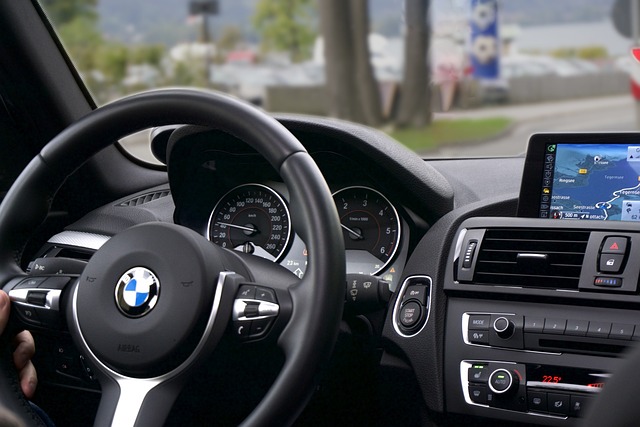
The process of registering a car in California involves several meticulous steps to ensure vehicle safety and legality. One of these critical procedures is Vehicle Identification Number (VIN) verification, which serves as a fundamental check in the entire registration journey. VIN, a unique code stamped into every vehicle, contains vital information about its manufacturing details, history, and authenticity. This verification process plays a pivotal role in preventing fraud, ensuring safety standards, and facilitating accurate record-keeping.
For instance, in California, all vehicles seeking registration must undergo a comprehensive VIN inspection to confirm their originality and compliance with state regulations. A mobile VIN inspection or mobile vin verification service becomes increasingly popular, offering convenience and efficiency for both individuals and dealerships. These services employ specialized tools and trained personnel to perform the VIN check on-site, eliminating the need for owners to visit designated stations. This modern approach streamlines the registration process, especially in regions with high vehicle traffic, ensuring faster turnaround times without compromising accuracy.
During a mobile vin verification, the inspector examines the physical VIN plate attached to the vehicle, cross-referencing it against the manufacturer’s database. They verify the vehicle’s make, model, year, and other critical specifications, checking for any discrepancies or signs of tampering. This step is crucial as it helps detect cloned vehicles, where a fraudster replaces a car’s original VIN with that of another, legally registered vehicle. By utilizing mobile vin verifiers, California’s Department of Motor Vehicles (DMV) can efficiently manage the vast number of registration applications, maintaining the integrity of its vehicle records and safeguarding against potential scams.
Choosing an Appropriate Vehicle Registration Class

Choosing the appropriate vehicle registration class is a crucial step in the car registration process in California. The state’s Department of Motor Vehicles (DMV) categorizes vehicles into different classes based on factors such as their weight, use, and environmental impact. For instance, cars are typically classified under Class A, while motorcycles fall under Class D. Understanding these classifications ensures you meet all requirements, including accurate vin verification. This process is further streamlined with the availability of mobile vin inspection services that enable a thorough check of your vehicle’s history before registration.
One key aspect to consider is whether your vehicle is new or used. New cars typically come with a manufacturer’s warranty and go through a more rigorous inspection process. In contrast, used vehicles might require additional checks to verify their condition and history. Here, mobile vin verification plays a significant role by providing detailed information about the vehicle’s past ownership, accidents, and maintenance records. It’s essential to conduct this check early in the registration process to avoid potential delays or surprises later on.
Another important factor is the vehicle’s weight and intended use. Commercial vehicles, such as trucks and vans used for business purposes, often fall under different classes with distinct registration fees and requirements. For example, a light-duty truck might be registered under Class B, while a heavy-duty one could require Class C. These classifications ensure that the DMV collects appropriate fees based on the vehicle’s potential impact on roads and infrastructure. It’s advisable to consult the DMV guidelines or seek expert advice to accurately place your vehicle in the right class, especially when dealing with specialized or modified vehicles.
Submitting Your Application and Paying Fees

After gathering all necessary documents, it’s time to submit your application and complete the registration process for your vehicle in California. The first step is to ensure that your Vehicle Identification Number (VIN) is verified. This critical process confirms the authenticity of your car’s details, including its make, model, year, and other specifications. One efficient method for VIN verification in California is through a mobile vin inspection service, which allows you to complete this requirement from the comfort of your home or workplace.
When submitting your application, be prepared with your registration fee, which varies based on the type of vehicle and whether it’s new or used. You can pay online, by check, or in person at a California Department of Motor Vehicles (DMV) field office. It’s advisable to double-check the accuracy of all submitted information, including your VIN, to avoid delays. A mobile vin inspection service can aid in this process by providing on-demand, real-time verification, ensuring that your data is current and correct before submission.
Once your application is complete and fees are paid, the DMV will process your registration request. They’ll verify all submitted documents and perform a comprehensive VIN inspection to ensure compliance with California’s standards. This step includes checking for any liens or outstanding issues related to the vehicle. Upon successful completion of this verification process, you’ll receive your registration certificate, officially registering your car in the Golden State.
By meticulously navigating California’s car registration requirements, gathering essential documents, and successfully undergoing VIN verification, vehicle owners can ensure their cars are legally registered and ready to hit the road. Choosing the appropriate registration class and submitting applications with timely fee payments are pivotal steps in this process. Understanding these key aspects, as outlined in this comprehensive guide, empowers individuals to confidently register their vehicles, avoiding potential legal issues and ensuring a smooth ownership experience in the Golden State.