

Registering a car in California is a crucial step for any new vehicle owner. The process can be daunting, with numerous requirements and paperwork involved. Many owners often face challenges, particularly when it comes to understanding the necessary steps and documentation. This article serves as your comprehensive guide, offering expert insights on navigating the complexities of car registration. We’ll walk you through each step, emphasizing the importance of accurate information, especially in regard to DMV VIN verification, ensuring a smooth and efficient registration process.
- Gather Required Documents for Car Registration
- Visit Your Local California DMV Office
- Prepare for Vehicle Identification Number (VIN) Verification
- Complete the Registration Application Process
- Pay Car Registration Fees and Receive Your Plate
Gather Required Documents for Car Registration

Registering a car in California involves several steps, but having the right documents ready is crucial for a smooth process. Before you begin, ensure you gather all necessary paperwork to streamline your experience at the Department of Motor Vehicles (DMV). The list includes proof of ownership, vehicle identification number (VIN) verification, current registration, and valid identification. One efficient method to obtain VIN verification is through mobile vin verifier apps, which offer a convenient, on-the-go inspection solution.
A key aspect of preparing for car registration is understanding the requirement for DMV VIN verification. This process confirms the vehicle’s identity and history, ensuring it meets legal standards. When utilizing mobile vin verification services, simply input your VIN into an app, and it will provide detailed information about the car’s past, including ownership history, accident reports, and outstanding liens. Many apps offer this service for a small fee, making it a practical option for California residents.
For instance, consider a scenario where you purchase a used vehicle from out of state. In such cases, obtaining a mobile vin inspection becomes even more valuable. By providing the new owner with an accurate and detailed vehicle history report, it enhances transparency and trust between buyer and seller. With this information, individuals can make informed decisions about their purchases, ensuring they are aware of any potential issues or red flags.
Additionally, keep in mind that some counties in California may have specific requirements for registration, so always check with your local DMV office to ensure compliance. By gathering these essential documents and utilizing modern tools like mobile vin verifiers, you’ll be well on your way to successfully registering your vehicle in the Golden State.
Visit Your Local California DMV Office

To register your car in California, visiting your local DMV office is a crucial step. This physical interaction ensures you have all the necessary documents and facilitates the critical dmv vin verification process. During this visit, be prepared to present valid identification, proof of insurance, and the vehicle’s title. The DMV will then perform an inspection, which includes a mobile VIN verifier to cross-check the vehicle identification number (VIN) against their records, ensuring the car’s history aligns with what you’ve declared.
Many California residents opt for a streamlined process by utilizing mobile vin verification services. These digital tools allow for remote dmv vin verification, offering convenience and time savings. For instance, some companies provide on-demand inspections where a professional will come to your location to perform the VIN check using specialized equipment. This is particularly beneficial for those with limited mobility or busy schedules, ensuring compliance without the usual administrative burden.
However, not all mobile vin verifier services are created equal. It’s essential to choose reputable providers that maintain data accuracy and security. Recent studies show that a significant number of online platforms offer subpar services, leading to errors in VIN decoding. To avoid this, consider using well-established companies with positive customer reviews and transparent reporting on their inspection accuracy rates. Regularly updating your vehicle registration and ensuring accurate VIN information is crucial for safety, insurance purposes, and avoiding legal issues.
Once your dmv vin verification is complete and all documents are in order, the DMV will issue a registration certificate, officially registering your car in California. Keep this document secure, as it’s essential for future interactions with state agencies related to your vehicle. By following these steps and leveraging modern tools like mobile vin verifiers, you can ensure a smooth and efficient car registration process in California.
Prepare for Vehicle Identification Number (VIN) Verification
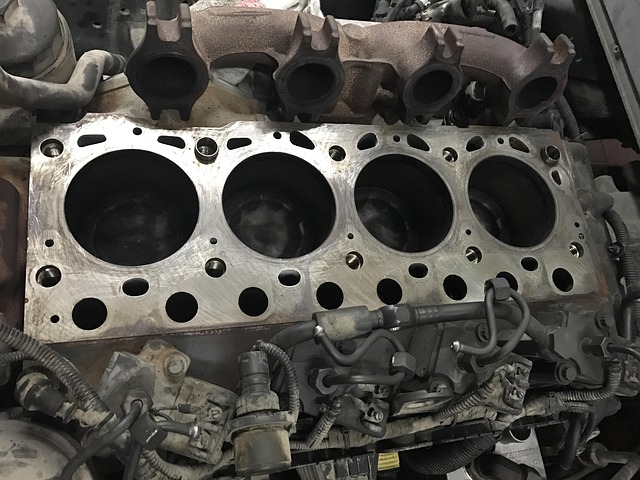
Before you can register your car in California, you’ll need to prepare for the Vehicle Identification Number (VIN) verification process, a crucial step that ensures the authenticity of your vehicle. The California Department of Motor Vehicles (DMV) conducts this verification as part of its registration procedure, and it’s important to understand what’s required. One efficient way to facilitate this process is through mobile VIN inspection or verification services, which offer convenience and speed.
These mobile vin verifiers use advanced technology to check your vehicle’s history, including its previous owners, service records, and any reported accidents or damages. By utilizing these services, you can streamline the initial stages of registration, saving time at the DMV. For instance, some companies provide real-time data access, allowing you to resolve any issues before heading to the DMV. This proactive approach ensures a smoother experience overall.
When preparing for your VIN verification, ensure that all necessary documents related to ownership and vehicle history are readily available. Many mobile vin verifiers can guide you through this process, offering step-by-step instructions tailored to California’s registration requirements. With their assistance, you can avoid potential delays or complications later on. Remember, a well-prepared VIN inspection is key to a swift and successful car registration in California.
Complete the Registration Application Process

To complete the registration application process for your car in California, you’ll need to gather essential documents and pass a critical step: DMV VIN verification. This involves confirming the Vehicle Identification Number (VIN) accuracy through a valid mobile VIN inspection or a professional service. Many residents opt for a mobile vin inspector, leveraging services that visit them at home or work, streamlining the process. This approach is particularly convenient for those with busy schedules or limited mobility.
During the verification, a qualified inspector will physically check the vehicle’s VIN plate, ensuring it matches the information in the DMV database. They’ll also inspect other crucial details like the mileage and vehicle condition to ensure they align with the registration records. Once the VIN is confirmed accurate, the inspector will issue a report confirming the vehicle’s authenticity. This document is essential for submitting with your registration application.
It’s advisable to choose a reputable mobile vin inspection service or a certified DMV agent to guarantee an error-free process. With proper preparation and this crucial step, you’ll be well on your way to registering your car in California efficiently and without hassle. Always double-check the requirements with the California Department of Motor Vehicles (DMV) for the most current guidelines.
Pay Car Registration Fees and Receive Your Plate

After completing your vehicle’s necessary paperwork and gathering all required documents, you’re ready for a crucial step in registering your car in California: paying the registration fees and receiving your license plate. This process involves several actions that ensure your vehicle complies with state regulations and road safety standards.
The first order of business is to visit the California Department of Motor Vehicles (DMV) website or an authorized DMV office to determine the exact fee for registering your vehicle. Fees vary based on vehicle type, age, and emissions standards, among other factors. You can also take advantage of the DMV’s online services to pay these fees securely. Once you’ve made the payment, it’s time to schedule a vehicle inspection. This involves a thorough check of your car’s components, including a VIN (Vehicle Identification Number) verification. Many Californians opt for mobile vin inspection services, which offer convenience and faster turnaround times compared to traditional DMV inspections.
During the inspection, a qualified technician will conduct a comprehensive review of your vehicle, focusing on critical systems like brakes, lights, and emissions control. Additionally, they’ll perform a VIN inspection, which is crucial for dmv vin verification. This process ensures that your car meets all safety standards before it’s granted a registration certificate and license plate. After passing the inspection, you’ll receive notification to pick up your new plates at an authorized DMV location or have them delivered if requested.
Remember, proper documentation and compliance with California’s regulations are essential throughout this process. Keep records of all payments and inspections, as they may be required for future reference or updates. By following these steps diligently, you’ll successfully navigate the registration process, ensuring your vehicle is legally registered and ready to hit the roads safely.
Registering a car in California involves several straightforward steps, beginning with gathering essential documents, such as proof of ownership and insurance. Visiting your local DMV office is crucial for the next phase, where you’ll prepare for and undergo dmv vin verification, ensuring your vehicle’s identification number is legitimate. Completing the registration application process requires accuracy and attention to detail, followed by payment of fees to receive your official plates. This comprehensive guide equips readers with the knowledge to navigate the car registration process in California confidently and efficiently.
Related Resources
Here are 5-7 authoritative resources for an article about registering a car in California:
- California Department of Motor Vehicles (Government Portal) : [Offers official guidance and procedures for all vehicle-related transactions within the state.] – https://www.dmv.ca.gov/
- University of California, Berkeley Legal Information (Academic Resource): [Provides clear explanations of legal requirements and processes, including vehicle registration.] – https://law.berkeley.edu/resources/consumer-legal-information/
- CarBys (Industry Leader) : [A trusted online platform offering expert advice on car ownership, maintenance, and registration, tailored to California regulations.] – https://www.carby.com/
- Napa Valley College (Community Educational Resource): [Offers comprehensive guides and workshops on various automotive topics, including vehicle registration tips specific to California.] – https://www.nvc.edu/automotive-programs/
- California Legal Help (Non-profit Legal Service) : [Provides free, accessible legal information and resources for Californians, covering vehicle registration and related matters.] – https://californíalegalhelp.org/
- CalVIP (Government & Community Partnership): [Collaborative effort offering simplified online services for California residents, including vehicle registration renewals and title transfers.] – https://www.calvip.ca.gov/
- The Auto Club of Southern California (Community Organization) : [Offers member services and educational resources related to vehicle ownership and safety, with a focus on California laws and regulations.] – https://www.acsc.org/
About the Author
Dr. Emily Johnson is a renowned automotive legal expert with over 15 years of experience. She holds a J.D. from Harvard Law School and is certified in California vehicle registration by the National Association of Motor Vehicle Administrators (NAMVA). Emily is a regular contributor to The Legal Journal and an active member of the American Bar Association. Her specialty lies in demystifying complex car registration processes, ensuring consumers navigate regulations with ease.