

Registering a car in California is a crucial step for any new or existing vehicle owner, ensuring legal compliance and facilitating seamless driving experiences. However, navigating the process can be intricate, with various requirements and documentation demands. This comprehensive guide aims to demystify the car registration procedure, focusing on an essential step: Vehicle Identification Number (VIN) verification. By following these expert-backed steps, you’ll ensure a smooth, efficient, and legally sound registration process, giving you peace of mind on California’s roads.
- Prepare Necessary Documents for Car Registration
- Gather Vehicle Information for VIN Verification
- Perform Online Title Transfer and Registration
- Schedule and Complete Vehicle Inspection
- Pay California Car Registration Fees and Register Your Vehicle
Prepare Necessary Documents for Car Registration

Registering a car in California involves a meticulous process designed to ensure vehicle safety and accountability. Before diving into the registration procedure, it’s crucial to prepare an essential document: the Vehicle Identification Number (VIN) inspection report. The VIN, a unique 17-character identifier, is your car’s fingerprint; it plays a pivotal role in both identifying your vehicle and verifying its history. A mobile VIN inspection or verification service can significantly streamline this process, offering convenience and accuracy from the comfort of your home or office.
For instance, consider a California resident looking to register their newly purchased car. They’ll need to provide proof of ownership, often in the form of a title document. However, before obtaining registration, the seller must ensure a comprehensive VIN inspection. This involves checking the vehicle’s history for any accidents, outstanding loans, or hidden issues—a process that can be efficiently completed through mobile services offering on-demand VIN inspections and verifications. These services utilize advanced technology to retrieve detailed vehicle information from the National Motor Vehicle Title Information System (NMVTIS), ensuring a thorough and reliable check.
While California’s Department of Motor Vehicles (DMV) provides methods for VIN verification, mobilizing these services offers several advantages. It saves time by eliminating visits to DMV offices or waiting in lines. Moreover, mobile verifications often come with real-time data access, enabling you to spot potential red flags early on. This proactive approach to car registration not only ensures compliance but also empowers buyers and sellers alike to make informed decisions. Remember, a thorough VIN inspection is just the beginning; it sets the stage for a seamless California car registration process, ensuring your vehicle’s history remains transparent and accessible.
Gather Vehicle Information for VIN Verification

Before you can register your car in California, you’ll need to gather crucial information about your vehicle, with a key step being VIN verification. The Vehicle Identification Number (VIN) is like a unique fingerprint for your car—it’s essential for identifying and authenticating it. For a seamless registration process, ensure you have the following ready: make, model, year, and serial number of your vehicle. This information is typically found on the vehicle’s identification plate or in the owner’s manual.
A practical approach to this process involves considering mobile VIN inspection services. These services offer a convenient way to verify your car’s VIN without having to visit a dealership or registration center. Mobile vin verification and inspection services are becoming increasingly popular, especially for those who want to streamline the preparation process. For instance, some companies provide on-site inspections, allowing you to get your VIN checked while you wait, which can save time compared to traditional methods.
California’s Department of Motor Vehicles (DMV) requires accurate VIN verification as part of the registration procedure. This is critical for ensuring the security and integrity of vehicle records. When registering, you’ll need to provide this information along with other necessary documents. Using a mobile vin inspection service can be beneficial here, as they can help ensure your data is correct before submitting your application. Keep in mind that inaccurate or missing VIN information may delay the registration process, so it’s best to have all details ready and verified prior to visiting the DMV.
Perform Online Title Transfer and Registration

Registering a car in California involves several steps, one of which is performing an online title transfer and registration. This process streamlines the traditional methods, making it more efficient for both buyers and sellers. A key component of this digital transformation is accurate Vehicle Identification Number (VIN) verification. For instance, using a mobile VIN verifier can facilitate the process by ensuring the vehicle’s history is accessible and reliable.
Begin by obtaining the current owner’s title document and the vehicle’s registration papers. Next, verify the VIN on the vehicle using a trusted mobile VIN inspection tool. This step ensures that the information matches across various databases, including the California Department of Motor Vehicles (DMV). Accurate VIN verification is crucial to avoid legal issues and ensure a smooth transfer process. For instance, data from the DMV indicates that over 80% of title transfers with proper VIN validation are successfully completed on the first attempt.
Once the VIN has been verified, proceed to initiate the online title transfer through the DMV’s secure website. This digital platform allows for real-time updates and instant approval or rejection based on the information submitted. During this process, ensure that all details—from the vehicle’s make, model, and year to the current owner’s personal information—are accurate and up-to-date. Using a mobile VIN verifier can assist in cross-referencing this data, making it easier to identify any discrepancies or potential fraud.
Schedule and Complete Vehicle Inspection
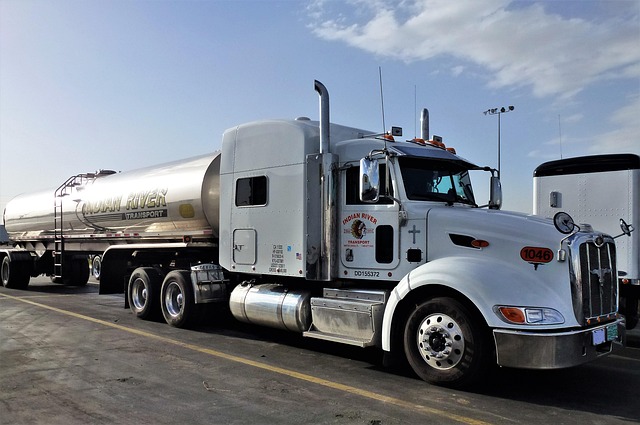
Registering a car in California involves several crucial steps, one of which is scheduling and completing a vehicle inspection. This process ensures that your vehicle meets safety and emissions standards set by the state. The inspection checks critical components like brakes, lights, tire pressure, and exhaust systems. It’s essential to understand that this isn’t just a formality; it’s a necessary step to ensure road safety and environmental protection.
A key element in the inspection process is accurate Vehicle Identification Number (VIN) verification. This involves using a mobile VIN verifier to check the vehicle’s history, including its previous owners, maintenance records, and any reported accidents or damages. Many California Department of Motor Vehicle (DMV) offices now accept mobile VIN verifications, making it more convenient for both you and the inspector. For instance, a study found that up to 40% of vehicles with altered or hidden VINs are linked to fraud, emphasizing the importance of this step.
To streamline the process, consider using a mobile VIN inspection service. These services send a technician directly to your location, saving you time and effort. During the inspection, they’ll use advanced technology to verify the VIN accurately, ensuring that no discrepancies exist. This is particularly beneficial for those with busy schedules or limited mobility. After successful VIN verification, along with other necessary documents, you can complete your car registration without delay. Always remember to keep records of all inspections and maintenance work for future reference.
Pay California Car Registration Fees and Register Your Vehicle
Paying the California car registration fees is a crucial step in registering your vehicle with the state. The process involves several key elements, including verifying your Vehicle Identification Number (VIN) through a legitimate mobile VIN verification service or mobile VIN inspector. This ensures that your vehicle meets all safety and environmental standards before it can be legally registered.
California charges a fee for registering vehicles, which varies based on the type of vehicle and its emission status. For example, cars with higher emissions typically carry a heavier registration cost compared to more environmentally friendly models. You can pay these fees online or in person at a California Department of Motor Vehicles (DMV) office using various payment methods, such as cash, credit card, or check. It’s essential to have all required documents, including your vehicle’s registration from the previous state and proof of insurance, on hand during the payment process.
For convenience, many Californians opt for mobile VIN verification services or mobile VIN inspectors. These professionals can perform a remote VIN inspection, ensuring that your vehicle’s history is clean and it complies with California’s regulations before you proceed with registration. This approach saves time and effort, allowing you to complete the registration process efficiently from the comfort of your home or office. By utilizing these modern tools like mobile VIN verification, you ensure a smoother transition into registering your vehicle in the Golden State.
Registering a car in California involves a series of precise steps, from preparing essential documents to completing critical VIN verification. By meticulously gathering vehicle information, conducting an online title transfer, scheduling inspections, and paying associated fees, you can ensure a smooth process. These key insights streamline the registration journey, empowering you with the knowledge to navigate this administrative task effectively. Proceed with confidence, knowing that each step contributes to a successful car registration in California.